



Melatonin Gummies In The UK Everything You Need To Know Before You Buy
If you’ve been searching for melatonin gummies in the UK, you’ve probably noticed something odd — they’re everywhere online,
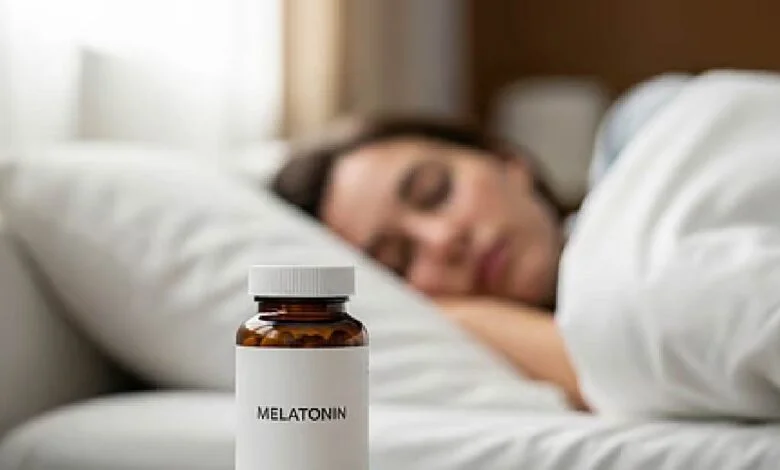
If you’ve been searching for melatonin gummies in the UK, you’ve probably noticed something odd — they’re everywhere online, yet you can’t pick them up at Boots or Holland & Barrett. That’s not a coincidence.
The UK has some of the strictest regulations around melatonin in the world, and before you click “add to cart” on an imported product, there’s a lot you need to understand. This guide covers exactly what melatonin gummies are, why they’re controlled in the UK, what the legal risks are, and — most importantly — which alternatives you can actually buy safely right now.
What Are Melatonin Gummies?
Melatonin gummies are chewable supplements that contain synthetic melatonin — a hormone your body naturally produces in response to darkness. The pineal gland releases melatonin in the evening to signal to your body that it’s time to wind down and prepare for sleep.
In countries like the United States, melatonin gummies are sold freely as over-the-counter dietary supplements, often in flavours like strawberry or mixed berry, with doses ranging from 1mg to 10mg per gummy. Popular brands such as Natrol, Olly, and ZzzQuil have made them a mainstream sleep aid.
The appeal is obvious: a tasty, easy-to-take alternative to tablets, marketed as a natural way to fall asleep faster and fix disrupted sleep patterns. But in the UK, the situation is very different.
Are Melatonin Gummies Legal in the UK?
This is the most important question — and the answer is nuanced.
Melatonin itself is not illegal in the UK. You are allowed to use it. However, the Medicines & Healthcare products Regulatory Agency (MHRA) classifies melatonin as a Prescription Only Medicine (POM). This means it can only be legally supplied when a doctor or registered prescriber issues a valid prescription.
The key points:
- Melatonin cannot legally be sold as a food supplement or over-the-counter product in the UK
- Any website selling melatonin gummies to UK customers without prescription is operating outside UK medicines law
- Products found on Amazon, eBay, or via grey-market suppliers are typically unlicensed and unregulated
- Importing melatonin in gummy form risks seizure at UK customs
The MHRA classifies melatonin as a medicine because, in their own words, it “poses an identifiable risk to public/patient safety due to its ability to exert significant modification to human physiology.” This is not a ban on the substance — it’s a requirement that its use is medically supervised.
Why Did the UK Restrict Melatonin Gummies?
Until 1995, melatonin was sold in UK health food shops as a nutritional supplement. That changed when the MHRA reviewed its pharmacological effects and reclassified it as a medicine.
Here’s why the MHRA takes this position:
1. It’s a hormone with real physiological effects. Melatonin directly affects your body’s circadian rhythm, hormonal balance, mood, and metabolism. These are not trivial effects.
2. Drug interactions are a real concern. Melatonin can interact with blood thinners, immunosuppressants, diabetes medication, and contraceptives. Medical supervision is needed to catch these.
3. Dosing is not one-size-fits-all. Many imported gummies contain doses far higher than the licensed UK amount. The only MHRA-licensed melatonin product for adults (Circadin) uses 2mg modified-release — considerably lower than the 5mg or 10mg found in many popular US gummies.
4. It can cause side effects. Headaches, dizziness, daytime drowsiness, and mood changes are all documented.
Interestingly, the reclassification wasn’t primarily about safety concerns — it was partly because melatonin was found to be so effective that regulators felt it warranted medical oversight.
Who Can Get Melatonin on Prescription in the UK?
Despite the restrictions, melatonin is available in the UK through legitimate channels:
Adults aged 55 and over — Circadin (2mg modified-release) is licensed for short-term treatment of primary insomnia in this age group.
Children and adolescents (ages 6–17) with ADHD — Specialists can prescribe melatonin for delayed sleep-wake phase disorder.
Children (ages 2–18) with autism spectrum disorder — Available via paediatric specialist prescription when other approaches have not worked.
Jet lag — The MHRA has authorised a 1mg/ml oral solution and 3mg film-coated tablets for short-term jet lag treatment in adults.
If you think you might qualify, speak to your GP or ask for a referral to a sleep specialist.
The Risks of Buying Melatonin Gummies Online in the UK
You’ll find plenty of sites offering to ship melatonin gummies to UK addresses. Here’s what you need to know before you order:
Legal risk. Purchasing melatonin without a prescription doesn’t put you personally at legal risk — but the seller is operating unlawfully. That matters because it affects accountability and product quality.
No quality control. Unlicensed melatonin gummies are not subject to MHRA testing. Studies on unregulated melatonin supplements have found significant variations between the listed dose and actual content — sometimes up to 478% more than stated on the label.
Customs seizure. Melatonin gummies imported from the US or elsewhere can be confiscated at UK customs, leaving you out of pocket.
No medical oversight. Taking melatonin without a doctor’s review means no one is checking for drug interactions, underlying sleep conditions, or appropriate dosing.
The bottom line: the risk isn’t worth it when legal, effective alternatives are readily available.
The Best Legal Alternatives to Melatonin Gummies in the UK
The good news is that the UK market for sleep gummies has grown significantly. In 2025, the UK sleep aids market was valued at over £110 million, with natural, non-habit-forming products leading the way.
Here are the most effective legal alternatives:
1. Magnesium Glycinate Gummies
Magnesium supports the nervous system and helps regulate sleep by activating the parasympathetic nervous system. It’s widely available, well-researched, and legal as a supplement.
2. L-Theanine Sleep Gummies
L-theanine is an amino acid found in tea that promotes relaxation without sedation. Often combined with chamomile and lemon balm in sleep gummies, it’s one of the most popular UK sleep supplement ingredients.
3. 5-HTP Gummies
5-hydroxytryptophan (5-HTP) is a precursor to serotonin and melatonin, meaning it supports your body’s own production of the sleep hormone. Products like Nu U Nutrition’s 5-HTP Night Support Gummies are formulated specifically for this purpose.
4. Valerian Root Gummies
Valerian has been used as a sleep aid for centuries. Multiple clinical studies support its effectiveness in reducing the time it takes to fall asleep and improving overall sleep quality.
5. Tart Cherry Gummies
Tart cherries are a natural source of melatonin and have been shown in research to support sleep quality. They’re legal, widely available, and a good option for those who want to support melatonin production naturally rather than supplementing it directly.
6. Herbal Blends (Chamomile + Lemon Balm + Lavender)
Multi-ingredient botanical sleep gummies are one of the fastest-growing categories in the UK. Brands like Yumi, Rheal, and Holland & Barrett’s in-house range offer well-formulated options that are both legal and effective.
How to Choose the Right Sleep Gummy in the UK
When shopping for legal sleep gummies in the UK, look for:
- Transparent ingredient labelling — know exactly what’s in each gummy and at what dose
- Third-party testing — GMP-certified manufacturers who test for potency and purity
- No artificial sweeteners or colours — particularly important if you’re taking them nightly
- Vegan and allergen-friendly options — most quality UK brands now offer these
- Positive, verified customer reviews — real-world evidence of effectiveness
Avoid any product that lists “melatonin” as an ingredient unless it has been prescribed to you — these are unlicensed in the UK regardless of where they’re sold.
Tips for Better Sleep Without Supplements
While sleep gummies can help, the most effective approach combines supplementation with good sleep hygiene. The NHS and leading sleep specialists recommend:
- Stick to a consistent sleep schedule — same bedtime and wake time every day, including weekends
- Reduce screen time before bed — blue light suppresses natural melatonin production
- Keep your bedroom cool and dark — your body temperature drops as you fall asleep
- Limit caffeine after 2pm — caffeine has a half-life of around 5–6 hours
- Avoid alcohol as a sleep aid — it disrupts REM sleep even if it helps you fall asleep faster
- Try a relaxing wind-down routine — reading, light stretching, or a warm bath can signal to your body that it’s time to sleep
Frequently Asked Questions About Melatonin Gummies in the UK
Are melatonin gummies available over the counter in the UK? No. Melatonin is classified as a Prescription Only Medicine (POM) by the MHRA. It cannot legally be sold as a supplement in the UK without a prescription. Any product claiming to be a melatonin gummy sold without prescription is unlicensed and potentially unsafe.
Can I buy melatonin gummies from the US and have them shipped to the UK? This is not advisable. Melatonin gummies imported without prescription risk being seized at UK customs. Even if they do arrive, they are unregulated and may contain inaccurate doses.
What is the legal alternative to melatonin gummies in the UK? There are several effective legal alternatives, including L-theanine, 5-HTP, magnesium, valerian root, tart cherry, and herbal blend gummies. These are sold widely in UK health stores and online.
Can my GP prescribe melatonin gummies? GPs can prescribe melatonin, but not in gummy form — the licensed UK products are tablets and oral solutions. Gummies are not part of any current MHRA-licensed melatonin treatment.
Is melatonin safe? When prescribed by a doctor and taken at the appropriate dose for the correct condition, melatonin is generally safe. However, self-medicating with unregulated products carries risk due to dose inconsistency, potential drug interactions, and unknown ingredient quality.
Why can people in the US buy melatonin gummies freely? In the US, melatonin is classified as a dietary supplement rather than a medicine, which means it doesn’t require FDA approval or a prescription. This classification reflects a different regulatory philosophy — not a difference in the substance’s effects.
Do melatonin gummies actually work for sleep? Research supports melatonin’s effectiveness for specific conditions — particularly jet lag, delayed sleep-wake phase disorder, and insomnia in adults over 55. Evidence is weaker for general insomnia in younger adults. For many people, natural alternatives that support the body’s own melatonin production may be equally effective.
Final Thoughts
Melatonin gummies are not banned in the UK — but they are tightly controlled for good reason. The MHRA’s decision to classify melatonin as a prescription-only medicine reflects the fact that it’s a powerful hormone with genuine physiological effects, not simply a harmless herbal supplement.
If you’re struggling with sleep, the right first step is always to speak to your GP. For those looking for a legal, over-the-counter option in the meantime, the UK market now offers a strong range of sleep gummies made with ingredients like L-theanine, 5-HTP, magnesium, and valerian — many of which have solid clinical backing and are well-suited to daily use.
Don’t risk your health or your money on unregulated imports. There are better, safer options available right here.