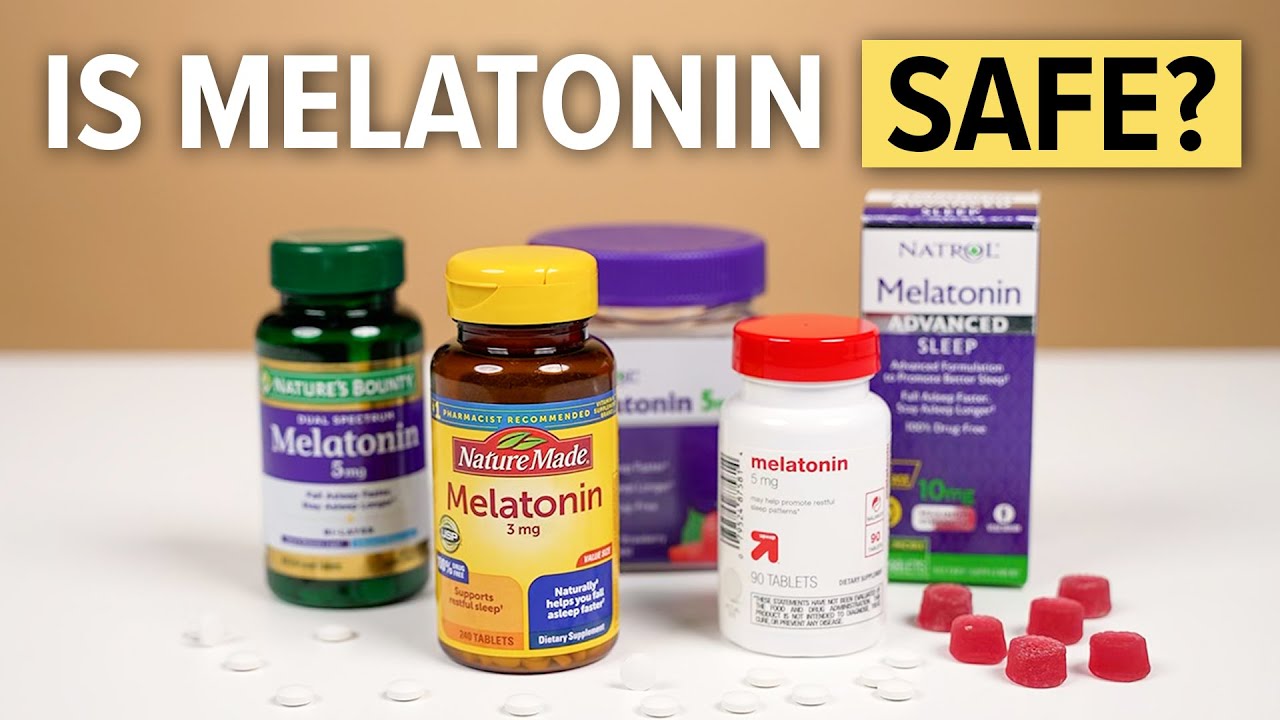



Is Melatonin Legal in the UK? What You Can Actually Buy
You have seen melatonin gummies on American TikTok. You know someone who brought a bottle back from New York.
You have seen melatonin gummies on American TikTok. You know someone who brought a bottle back from New York. You have searched the pharmacy shelves and found nothing. You have typed it into Amazon and found listings that disappear when you look too closely.
The confusion is understandable. In the United States, melatonin is sold in supermarkets, petrol stations, and pharmacies without any prescription — right next to the vitamin C. In the UK, the situation is completely different, and most articles do a poor job of explaining why.
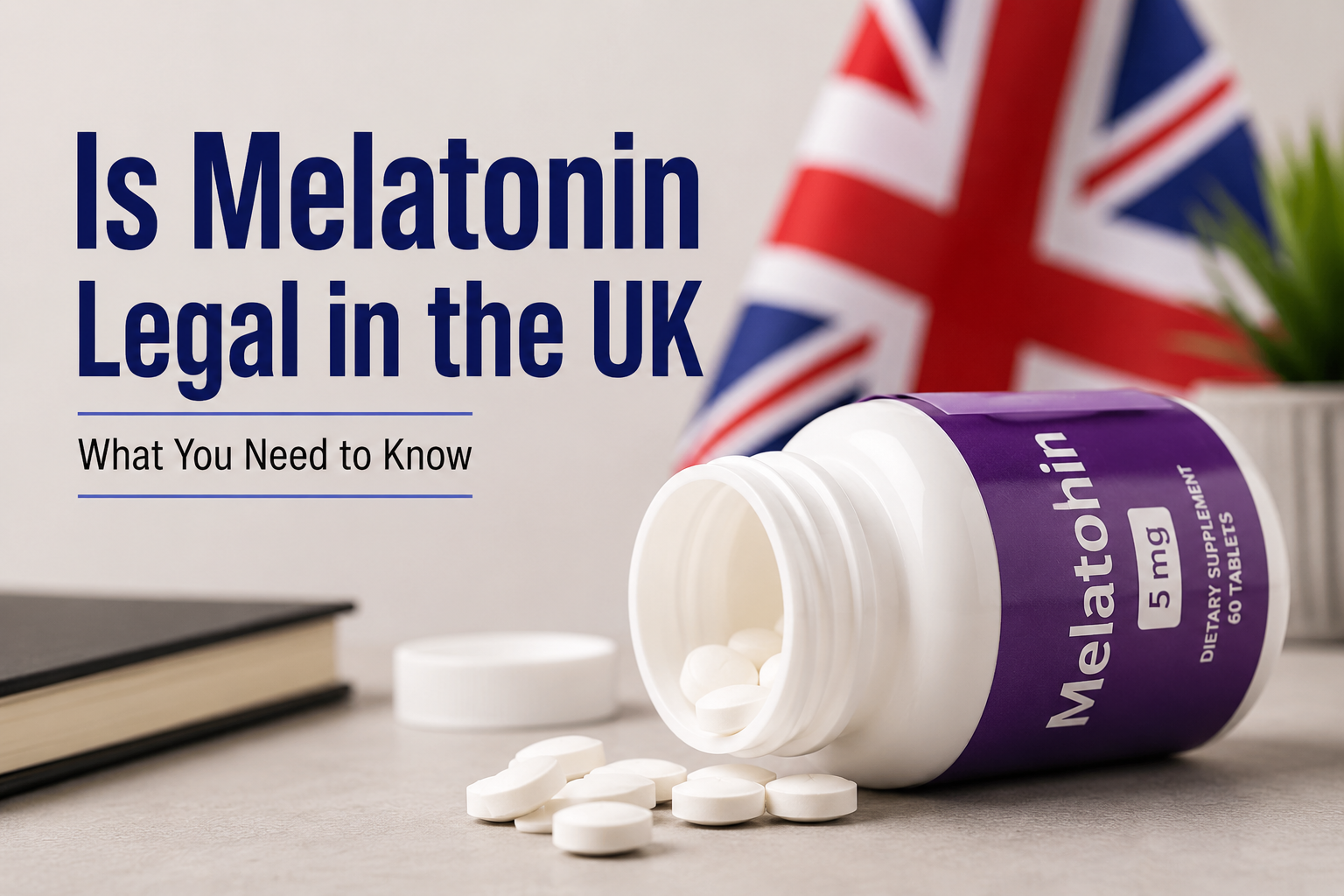
Here is the clear, accurate answer: melatonin is not banned in the UK. It is legal. But it is classified as a prescription-only medicine, which means you cannot legally buy it over the counter regardless of how mild it seems or how freely it is sold abroad.
This guide covers what the law actually says, who can get a prescription, what the licensed product is, and — critically — what you can legally buy instead.
This article is for informational purposes only and does not constitute medical advice. Always consult a qualified healthcare professional about your sleep or health concerns.
Quick Answer
Melatonin is not banned in the UK. It is legal, but it is classified as a Prescription-Only Medicine (POM) by the MHRA — meaning you cannot legally buy it over the counter in pharmacies, health food shops, or online without a valid prescription. The licensed product in the UK is Circadin, a 2mg prolonged-release tablet prescribed primarily to adults aged 55 and over with short-term insomnia. To get it legally, you need a GP referral or an authorised online prescribing service.
Is Melatonin Banned in the UK?
No. Melatonin is not banned in the UK. However, as the law stands, it is a prescription-only medicine. Which means that although it is fine to use if prescribed by a doctor, it cannot legally be sold over the counter or marketed as a food supplement. This restriction applies not only to pills but to all melatonin-containing products whatever form they come in.
The confusion between “banned” and “prescription-only” is widespread. Banned means illegal to possess. Prescription-only means legal to have and use, but only when obtained through proper medical channels. Owning melatonin for personal use is not a criminal offence. Selling it without authorisation is.
The regulator responsible for this classification is the MHRA — the Medicines and Healthcare products Regulatory Agency. The MHRA classifies melatonin as a medicine rather than a supplement because it is a hormone that directly affects the body’s sleep-wake cycle. That hormonal activity places it firmly outside the category of vitamins or general health supplements.
Why Is Melatonin Prescription-Only in the UK?
The core reason is that melatonin is a hormone, not a supplement — and the UK draws a firm line between the two.
The MHRA classifies it as a medicine because it is a powerful hormone that affects your sleep-wake cycle.Unlike vitamin D or magnesium, melatonin does not just support a bodily function — it actively regulates it at a hormonal level.
There are also real interaction risks. The NHS warns that melatonin can interact with other medications, including antidepressants, certain antibiotics, blood thinners, and NSAIDs such as ibuprofen.These are common medications. Someone self-medicating with over-the-counter melatonin without disclosing it to their GP could inadvertently create a drug interaction nobody has assessed.
There is also a quality control argument. A US study published in the Journal of Clinical Sleep Medicine found that the contents of over-the-counter melatonin supplements vary significantly from what is stated on the label — some containing far more, some far less than advertised.
The prescription system, whatever its inconveniences, ensures that the dosage is verified, the product is licensed and quality-controlled, and a medical professional has considered whether melatonin is appropriate for that specific person.
A 2025 commentary in the British Medical Journal argued that this prescription-only classification is outdated, given melatonin’s relatively mild side-effect profile compared to other sleep medications. The debate is ongoing — but as of 2026, the legal position has not changed.
Who Can Get Melatonin on Prescription in the UK?
The NHS has specific licensed uses for melatonin, with off-label prescribing available in some circumstances.
Adults aged 55 and over: The primary licensed use. Circadin — the 2mg prolonged-release tablet — is licensed for short-term treatment of primary insomnia in this age group. It mimics the body’s gradual overnight melatonin release pattern.
Children aged 2 to 18: Melatonin is prescribed to children in the UK, most commonly for insomnia linked to autism spectrum disorder or neurogenetic conditions where the sleep-wake cycle is significantly disrupted. This is specialist-prescribed, not a routine GP prescription.
Jet lag: A 3mg standard-release tablet for up to five days is available, though this is not on the NHS and must be paid for privately.
Younger adults: GPs can prescribe melatonin off-label to younger adults, but the licensed evidence base is thinner and it is not routine practice. A GP is more likely to recommend CBT-I first.
On the NHS, you pay the standard prescription charge of £9.90 per item, frozen at that rate for 2026/27. Many people qualify for free prescriptions entirely.
How to Get Melatonin Legally in the UK
Through your GP. Request an appointment and explain your sleep difficulties in detail — duration, impact on daily life, what you have already tried. Your GP will likely recommend CBT-I (Cognitive Behavioural Therapy for Insomnia) first, as the NHS considers this the first-line treatment. If melatonin is appropriate for your age and circumstances, they can prescribe Circadin.
Through an authorised online prescribing service. Several regulated UK online pharmacies offer video consultations with licensed prescribers who can assess your need for melatonin and issue a legal prescription. This is a legitimate route — provided the service is MHRA-registered and fully transparent about its regulatory status.
Bringing it from abroad. If you bought melatonin legally in a country where it is sold over the counter, you can bring it into the UK for personal use. This is legal. Selling it to others in the UK is not.
What not to do. Consumer investigations in late 2025 and early 2026 found illegal melatonin listings on major platforms including Amazon, eBay, Etsy, and Temu. Sellers sometimes disguise the product by burying “melatonin” in the ingredients list or using deliberate misspellings. Some products found for sale contained 30mg per dose — fifteen times the usual starting prescription of 2mg. The risks of unregulated products are real and specific.
What Can You Take Instead of Melatonin in the UK?
Several options are legally available over the counter and have evidence behind them.
CBT-I (Cognitive Behavioural Therapy for Insomnia). This is the NHS’s first-line treatment before any sleep medication. It targets the thought patterns and behaviours that maintain insomnia rather than just sedating you temporarily. The evidence base is strong — CBT-I frequently outperforms medication in the long run, without withdrawal concerns. It is available through the NHS, through apps, and through private therapists.
Magnesium glycinate. Available OTC at pharmacies and health food shops. Associated with relaxation and improved sleep quality in several studies. Well-tolerated, low interaction risk, affordable.
Valerian root. Available as capsules or tea. Some evidence for mild improvement in sleep onset and quality. Not regulated as a medicine but widely available.
Antihistamine-based sleep aids (Nytol, Sominex). Available over the counter. Work by causing drowsiness as a side effect of antihistamine activity. Suitable for short-term use only — the body habituates quickly and they are not effective for chronic insomnia.
Sleep hygiene fundamentals. Consistently underrated. A fixed wake time (even at weekends), a dark and cool bedroom, no screens for an hour before bed, and limiting caffeine after midday address the behavioural factors that sustain insomnia in most people. Not glamorous, but the evidence is as strong as anything else on this list.
Will the UK Ever Make Melatonin Available Over the Counter?
The debate is live but unresolved.
The 2025 BMJ commentary arguing for reclassification was significant — it came from within the medical establishment rather than from outside it. The argument is that melatonin’s side-effect profile is mild compared to antihistamine sleep aids currently available OTC, and that the prescription barrier denies access to people who could benefit safely.
Australia’s pharmacist-only tier offers one possible middle ground: melatonin available without a full prescription but requiring a pharmacist consultation. This model screens for interactions and contraindications without requiring a GP appointment.
Whether the MHRA moves in this direction depends on formal reclassification applications from manufacturers, which must demonstrate that the product can be used safely without direct medical supervision. As of mid-2026, no confirmed timeline exists for such a change.
The Takeaway
Melatonin is legal in the UK, not banned. It requires a prescription because the MHRA classifies it as a hormone medicine rather than a supplement — a position the BMJ has questioned but that remains legally current. The licensed product is Circadin 2mg, primarily prescribed to adults aged 55 and over for short-term insomnia.
If you need melatonin, the legitimate routes are your GP or a regulated online prescribing service. If you want an OTC alternative while you wait for an appointment, magnesium glycinate and CBT-I have the strongest evidence base and the fewest risks.
Buying from unlicensed online sellers is illegal and specifically dangerous — the dosage variation found in unregulated products is not a minor concern.
You might also like:
Is melatonin illegal in the UK? No. Melatonin is not illegal — it is prescription-only. Possessing it for personal use is not a criminal offence. Selling it without authorisation from the MHRA is against UK medicines regulations. The distinction matters: illegal means you cannot have it; prescription-only means you can have it but only through proper medical channels.
Can I buy melatonin over the counter in the UK? No. There is no licensed over-the-counter melatonin product in the UK. It cannot be sold legally in pharmacies, health food shops, or online without a prescription. Some unlicensed sellers exist on major online platforms, but buying from them is not legal and the products carry real safety risks including extreme overdose levels.
How do I get melatonin prescribed in the UK? Book an appointment with your GP, explain your sleep difficulties in detail, and ask about melatonin. Your GP may recommend CBT-I first. If melatonin is appropriate for your age and circumstances, they can prescribe Circadin. Alternatively, regulated online prescribing services can conduct video consultations and issue legal prescriptions.
Can I bring melatonin into the UK from abroad? Yes. If you bought melatonin legally in another country — the US, for example, where it is sold OTC — you can bring it into the UK for personal use. This is legal. You cannot sell it to others in the UK.
What can I take instead of melatonin in the UK? Legal OTC options include magnesium glycinate, valerian root, and antihistamine-based sleep aids like Nytol (for short-term use only). CBT-I — Cognitive Behavioural Therapy for Insomnia — is the NHS first-line treatment and has the strongest long-term evidence base of anything on this list. Sleep hygiene improvements (fixed wake time, dark room, no screens before bed) are also underrated and genuinely effective.