



How to Fix Flickering Lights
Flickering lights are one of those problems that range from a completely harmless five-minute fix to a genuine early-warning

Flickering lights are one of those problems that range from a completely harmless five-minute fix to a genuine early-warning sign of an electrical hazard. The tricky part is telling the two apart — and that’s exactly what this guide walks through, step by step, before you touch anything.
Start With the Safe, Simple Checks
Before assuming the worst, rule out the easy causes first. The majority of single-fixture flickering comes down to one of these
1. Tighten the bulb. A bulb that isn’t screwed in all the way is the single most common cause of flickering, and the easiest thing to fix it takes seconds and costs nothing.
2. Check the bulb type. Cheap or off-brand LED bulbs are a very common source of flicker, especially when paired with an older dimmer switch.
3. Try a different, known-good bulb. If a fresh bulb in the same fixture still flickers, the bulb itself isn’t the problem, and it’s time to look further.
If you ever smell burning, notice scorch marks near an outlet or switch, or a breaker feels warm to the touch, stop troubleshooting immediately and call a licensed electrician. These are signs of a genuine fire risk, not a normal wiring quirk, and no amount of DIY troubleshooting should continue past this point.
Step 1: Figure Out Whether It’s Local or Whole-House
Flickering falls into two very different categories, and correctly identifying which one you’re dealing with is the single most important diagnostic step:
Flickering in one fixture only usually points to a local, easily fixable problem a loose bulb, a worn or damaged socket, or a switch (especially a dimmer) that isn’t compatible with the bulb type installed.
Flickering across multiple rooms, or the entire house, points to something further up the electrical chain — a loose connection at the breaker panel, an overloaded circuit, or, less commonly, an issue with the utility’s connection to the home itself. This category is worth taking more seriously.
Step 2: Fixing a Single-Fixture Flicker
1. Turn off power to the fixture at the breaker — don’t rely on the wall switch alone.
2. Remove the bulb and inspect the socket itself for a bent, corroded, or loosely-seated contact tab at the base.
3. If the fixture is controlled by a dimmer switch, check whether it’s explicitly rated for LED bulbs. Many older dimmers were designed only for incandescent bulbs, and using them with modern LEDs is one of the most common causes of a persistent, low-grade flicker that has nothing to do with the bulb quality.
4. Install a known-good replacement bulb and restore power to test.
Step 3: Diagnosing a Whole-House or Multi-Room Flicker
This is where it pays to be methodical rather than guessing at random fixes:
1. Notice the pattern.Flickering that gets noticeably worse when a large appliance kicks on the air conditioner, a hair dryer, the microwave often points to a loose neutral connection or a circuit that’s being asked to carry more load than it comfortably can. This is genuinely worth having an electrician look at rather than living with.
2. Check the breaker panel from the outside, without opening it. A breaker that feels unusually warm, or any burning smell near the panel, is a reason to call a professional immediately rather than continuing to investigate yourself.
3. Check with neighbors. If nearby homes are experiencing similar flickering, the issue may originate with the utility company’s connection to your street rather than anything inside your home’s wiring a quick call to the utility can rule this out before you spend time or money on an internal fix.
A flicker that happens on a predictable schedule like every time the refrigerator’s compressor kicks on is often a normal, minor voltage dip from that appliance drawing a burst of current at startup. It’s usually not a cause for concern on its own, but it’s worth mentioning to an electrician if the dip seems unusually pronounced or is getting worse over time.
Understanding the Difference Between Nuisance Flicker and Dangerous Flicker
It’s worth being specific about what separates an annoying-but-harmless flicker from one that signals a real problem, since the two can look similar at first glance:
Nuisance flicker is typically consistent, predictable, and tied to a specific cause you can identify a particular bulb, a specific dimmer, or a specific appliance turning on. It doesn’t get progressively worse over time.
Dangerous flicker tends to be inconsistent, unpredictable, and often accompanied by other warning signs warm switch plates, a faint burning smell, or breakers that trip more frequently than they used to. This pattern suggests a loose or degrading connection somewhere in the circuit, which can generate heat at the point of the loose connection and is a genuine fire risk if left unaddressed.
If you’re ever unsure which category you’re looking at, treat it as the more serious one and call an electrician the cost of a diagnostic visit is small compared to the risk of ignoring an early warning sign.
A Note on Older Homes
Homes built before the 1970s sometimes have knob-and-tube or aluminum wiring, both of which are more prone to connection issues that manifest as flickering than modern copper wiring with modern connectors. If your home falls into this category and you’re experiencing flickering that isn’t explained by a simple bulb or dimmer issue, it’s worth having an electrician evaluate the wiring type specifically some insurance policies also have requirements or discounts tied to updating this kind of older wiring.
Reading the Flicker: What Different Patterns Usually Mean
Not all flickers look the same, and the specific pattern you’re seeing can narrow down the cause before you even open a fixture:
A single, brief flash when the light first turns on, then steady after that, is usually just a normal warm-up characteristic of certain LED bulbs and rarely a cause for concern.
A slow, rhythmic pulse brightening and dimming gradually rather than flashing often points to a dimmer that isn’t well matched to the bulb’s minimum load requirements.
Rapid, irregular flickering that has no obvious pattern or trigger is the pattern most worth taking seriously, since it’s more consistent with a genuine loose connection somewhere in the circuit rather than a simple compatibility issue.
Flickering tied to footsteps or vibration nearby (like walking past the fixture) often indicates a loose wire connection at the fixture itself or in the switch box worth checking before assuming it’s a panel-level issue.
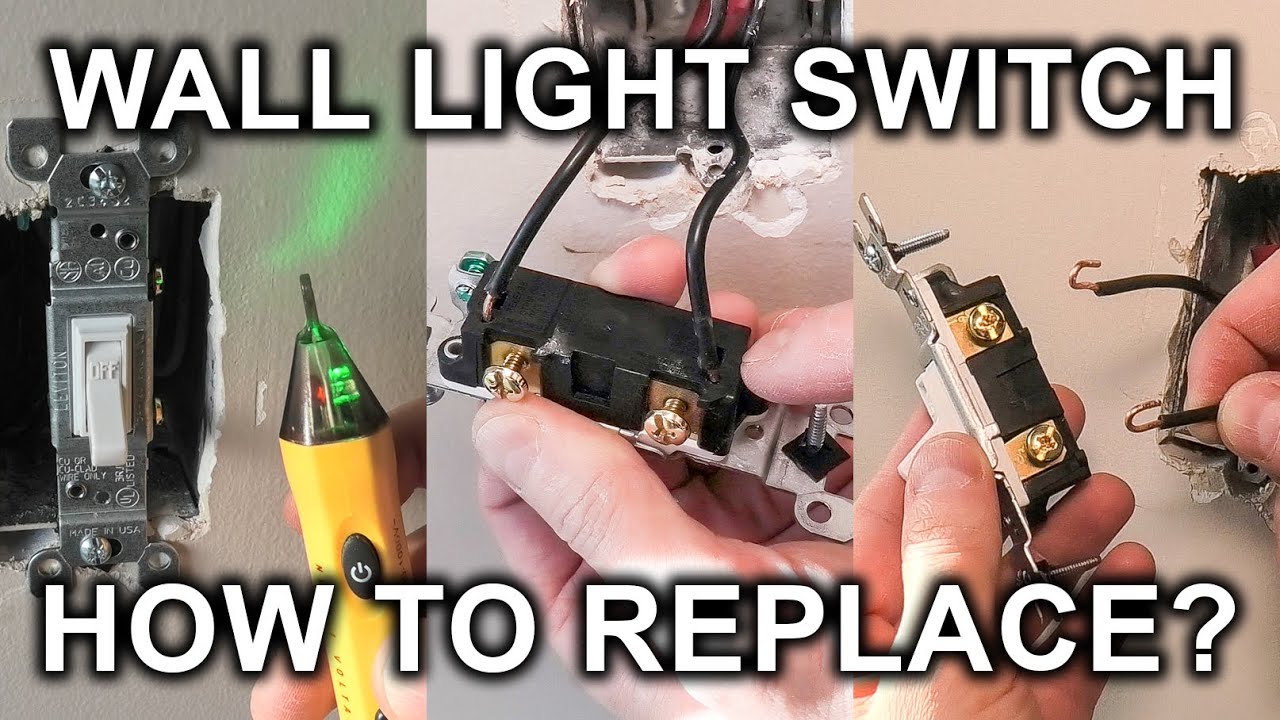
Dimmer-related flicker deserves its own section, since it’s genuinely the most common cause of ongoing flicker in homes that have switched to LED bulbs without also checking their dimmer switches:
Standard incandescent dimmers work by cutting off part of each electrical cycle to reduce brightness a method LED bulbs often can’t handle smoothly, resulting in visible flicker, especially at lower brightness settings.
LED-rated dimmers use a different dimming method (often called trailing-edge dimming) specifically designed to work cleanly with the low-wattage draw of LED bulbs.
Minimum load requirements matter too some dimmers need a minimum wattage load to function properly, and a single low-wattage LED bulb can fall below that threshold, causing flicker even with an otherwise LED-compatible dimmer.
If you’ve confirmed your dimmer is LED-rated and still see flicker, checking the minimum load rating against your actual bulb wattage is the next troubleshooting step before assuming the dimmer itself is defective.
Typical Cost Breakdown
| Cause | Fix | Typical Cost | Time |
|---|---|---|---|
| Loose bulb | Retighten | Free | 1 minute |
| Incompatible LED bulb | Replace bulb | $3–$10 | 5 minutes |
| Incompatible dimmer | Replace with LED-rated dimmer | $15–$40 | 15–20 minutes |
| Worn socket | Replace fixture or socket | $10–$50 | 20–30 minutes |
| Loose panel connection | Electrician visit | $100–$300 | Varies |
| Circuit overload | Electrician assessment, possible rewiring | $150–$500+ | Varies |
When to Call an Electrician — Don’t Skip This Section
Flickering lights are one of the few “small” home problems that can occasionally point to something genuinely dangerous, so it’s worth being extra cautious here compared to other repairs on this site. Call a licensed electrician if:
– Flickering affects multiple rooms or the entire house
– You notice warm outlets, switches, or breakers anywhere in the home
– There’s any smell of burning, however faint
– The flickering has noticeably worsened over a short period of time
– Your home has older wiring types (knob-and-tube, aluminum) and the cause isn’t obviously a bulb or dimmer issue
For a single fixture with a loose bulb or an incompatible dimmer switch, this remains a safe, simple, and inexpensive DIY fix that doesn’t require any special tools or experience.
Frequently Asked Questions
Why do my lights flicker only when I turn on the microwave or air conditioner?
This usually means that particular circuit is being asked to handle more electrical load than it comfortably can, causing a brief voltage drop when a high-draw appliance starts up. It’s a fairly common issue in older homes with fewer dedicated circuits, and it’s worth having an electrician assess whether the circuit needs to be split or upgraded.
Are flickering LED bulbs a sign that they’re failing?
Not necessarily. Most LED flicker issues actually trace back to dimmer switch incompatibility rather than a failing bulb. Before replacing bulbs again, check the dimmer’s packaging or manual to confirm it’s explicitly rated for LED use — many are not, especially older models.
Is it normal for lights to flicker briefly during a storm?
Yes. Brief flickers during storms are usually the utility grid automatically rerouting power around a fault elsewhere on the network, and they’re not typically a sign of a problem specific to your home’s wiring.
Can flickering lights damage my electronics?
Sustained voltage fluctuations, as opposed to brief flickers, can potentially stress sensitive electronics over time. If flickering is frequent and affects multiple rooms, it’s a reasonable precaution to use surge protectors on sensitive equipment while you investigate the underlying cause.
How much does it typically cost to have an electrician diagnose a whole-house flicker?
A standard diagnostic visit typically falls in a moderate service-call range, though the final cost depends heavily on what’s actually found — a loose panel connection is a relatively quick fix, while a full circuit upgrade is a larger project. Getting a diagnosis first, before assuming the scope of the fix, is almost always the right approach.