

What Is Cortisol Face? The UK Guide to What’s Real and What Isn’t
If you have spent any time on wellness TikTok recently, you have probably heard about cortisol face. The claim
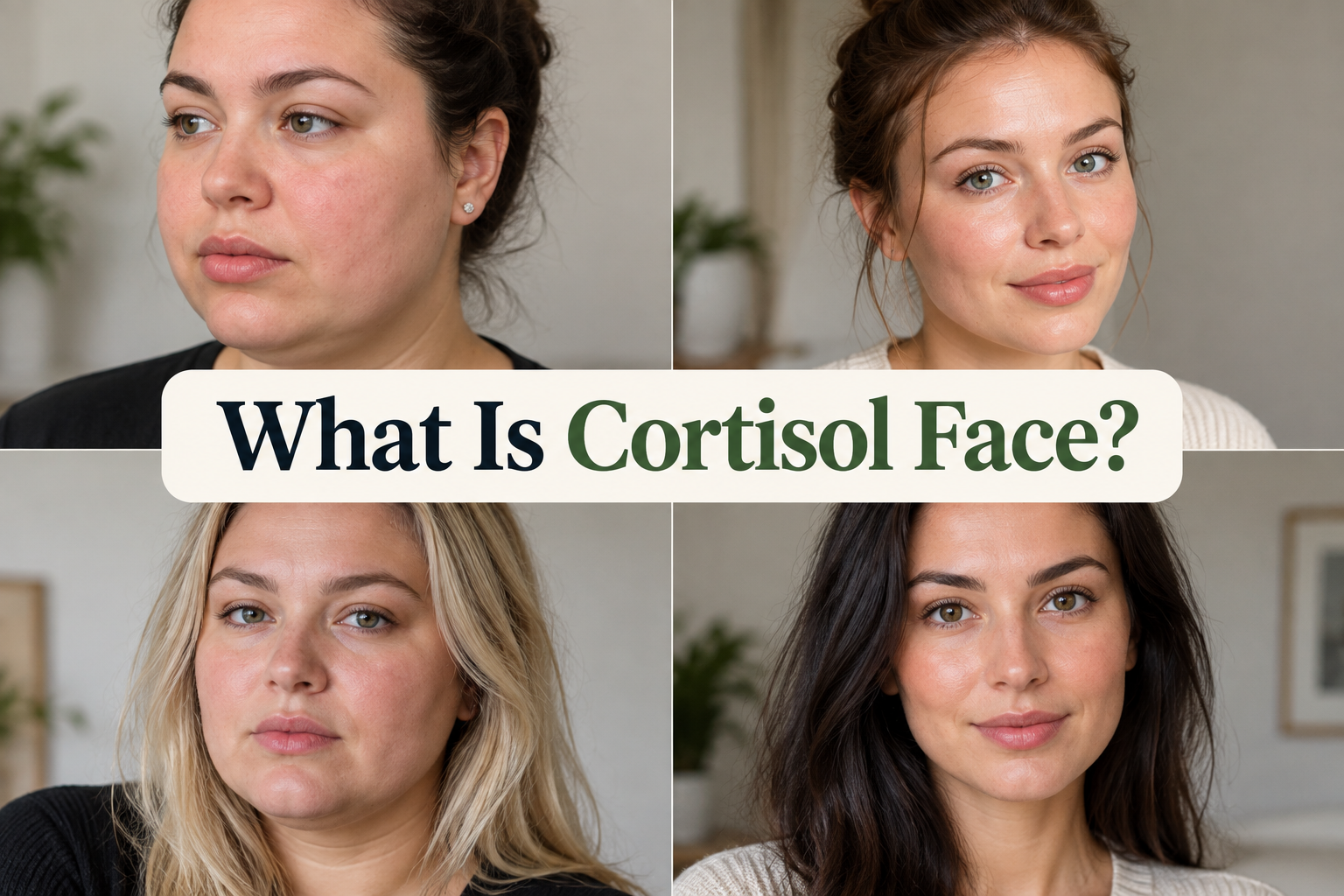
If you have spent any time on wellness TikTok recently, you have probably heard about cortisol face. The claim goes like this: chronic stress raises cortisol, your primary stress hormone, and that excess cortisol causes your face to become puffy, rounded, and bloated — particularly around the cheeks and jaw.
It sounds plausible. Stress does affect the body in visible ways. Cortisol is a real hormone with real physiological effects. And facial puffiness is something a significant number of people experience and want to understand.
The problem is that the TikTok explanation is mostly wrong — and the actual explanation is more medically interesting and considerably more useful.
This article is for informational purposes only and does not constitute medical advice. If you are experiencing persistent facial swelling or other symptoms of hormonal imbalance, speak to your GP.
Quick Answer
Cortisol face is a social media term describing a rounded, puffy face attributed to high levels of the stress hormone cortisol. It is not an official medical diagnosis. Experts consistently say that everyday stress is unlikely to cause the dramatic facial changes the trend describes. True cortisol-related facial puffiness — called moon face — occurs in Cushing syndrome, a rare medical condition caused by prolonged exposure to very high cortisol from a tumour or long-term steroid medication use. Everyday stress can cause some temporary puffiness through inflammation, sodium retention, and disrupted sleep — but this is not the same as cortisol face as described on social media.
What Is Cortisol?
Cortisol is a steroid hormone produced by the adrenal glands — small glands that sit on top of your kidneys. It is released in response to stress and plays a central role in regulating metabolism, immune function, blood sugar levels, and the sleep-wake cycle.
Cortisol follows a circadian rhythm — it is highest in the morning, helping you wake and feel alert, and lowest at night, allowing sleep. This daily pattern is normal and healthy. Problems arise when cortisol remains chronically elevated — either because of sustained psychological stress, because of a medical condition, or because of steroid medications that mimic cortisol in the body.
“Cortisol is a crucial hormone produced by your adrenal glands in response to stress. It plays a vital role in regulating various bodily functions, including your metabolism, immune response, and blood sugar levels. However, when cortisol levels remain chronically high — a condition known as hypercortisolism — it can indeed lead to noticeable changes in your appearance,” according to Raffles Medical Group’s published clinical analysis.
The key phrase there is “chronically high.” That is not what most people experience during ordinary workplace stress.
Is Cortisol Face Real?
This is where the TikTok version diverges significantly from the medical reality.
Genuine cortisol-related facial changes do exist. They occur in Cushing syndrome — a rare condition caused either by a tumour on the pituitary or adrenal gland that drives cortisol production into severely abnormal territory, or by long-term use of corticosteroid medications like prednisone. The facial presentation in Cushing syndrome is called moon face: a distinctive rounding and fullness of the face, often accompanied by fat deposits above the collarbone (a “buffalo hump”), central obesity with thinner limbs, purple stretch marks, high blood pressure, and proximal muscle weakness.
That constellation of symptoms is very different from a slightly puffy face after a stressful week.
As neurologist Aatif Husain, MD, at Duke University School of Medicine, told Health Central: “Sleepmaxxing is a rebrand of sleep hygiene but on steroids” — and the cortisol face claim is a similar rebrand of real but complex endocrine science into something that sounds immediately actionable on social media. The endocrine guidelines are clear: cortisol testing for Cushing syndrome is only warranted when patients have multiple progressive and clinically compatible features — not isolated facial puffiness or ordinary stress.
“The appearance of a puffy face that fluctuates throughout the day is unlikely a source of concern. However, a persistently bloated face may be part of a group of symptoms that suggests underlying cortisol dysfunction,” is the nuanced clinical position, published in August 2026.
What Actually Causes a Puffy Face?
The honest answer is that the puffiness most people attribute to cortisol face has several more likely causes — all of which are more directly connected to the lifestyle factors that stress produces rather than to cortisol itself.
Sleep deprivation. Poor sleep causes fluid to accumulate in the face. The lymphatic system clears facial fluid most effectively during sleep — which is why sleep-deprived faces consistently look puffier than well-rested ones. Stress disrupts sleep. But the mechanism is sleep disruption, not cortisol directly acting on facial tissue.
High sodium intake. Sodium causes water retention, and water retention shows up in the face before it shows up anywhere else. Stress eating and stress drinking both tend toward high-sodium foods and alcohol, both of which cause acute facial puffiness.
Alcohol. Alcohol causes vasodilation and dehydration simultaneously, both of which produce facial swelling. A stressful week often correlates with more alcohol intake. The face shows it, but cortisol is not the primary mechanism.
Inflammation. Chronic stress does elevate inflammatory markers in the blood. Inflammation contributes to tissue swelling across the body. In this sense, stress has a real but indirect relationship with facial puffiness — through inflammation, not through cortisol directly inflating facial tissue.
Allergies, sinus issues, and dental problems. These are among the most common causes of facial swelling and are frequently misattributed to stress.
Thyroid conditions and PCOS. Hypothyroidism and polycystic ovary syndrome can both cause facial swelling and hormonal disruption that bears superficial resemblance to what TikTok describes as cortisol face. If you have unexplained facial puffiness alongside other symptoms like fatigue, weight changes, or irregular periods, these are worth investigating with your GP.
When Should You Actually See Your GP?
Most instances of occasional facial puffiness are benign and temporary. These warrant a GP visit:
Persistent puffiness that does not resolve over days or weeks, particularly if it is accompanied by other physical changes.
Sudden, severe, or rapid facial swelling, which could indicate an allergic reaction requiring immediate assessment.
Facial swelling combined with any of these: unexplained weight gain (particularly central), purple stretch marks on the abdomen, muscle weakness in the upper arms or thighs, high blood pressure, irregular periods, excessive hair growth, or easy bruising. This combination is clinically significant and warrants investigation for Cushing syndrome or other hormonal conditions.
Facial puffiness alongside symptoms of hypothyroidism: persistent fatigue, feeling cold, constipation, dry skin, hair loss, and weight gain.
If you are on long-term corticosteroid medication and notice facial changes — speak to the prescribing doctor rather than stopping medication independently.
The important message from endocrinologists is straightforward: do not self-diagnose Cushing syndrome or hypercortisolism from a TikTok video about puffy faces. Cushing syndrome is rare, has a specific diagnostic pathway, and requires specialist assessment.
What You Can Actually Do About Stress-Related Puffiness
If your concern is the temporary, lifestyle-related facial puffiness that stress correlates with — rather than an underlying medical condition — these interventions have real evidence behind them.
Sleep. Prioritising seven to nine hours addresses the single biggest mechanism behind stress-related facial puffiness. The lymphatic drainage that clears facial fluid happens primarily during sleep. You cannot compensate for poor sleep with face massage or lymphatic draining tools.
Reduce sodium. Processed foods, takeaways, crisps, and ready meals are the main sodium sources in the UK diet. Reducing them reduces water retention quickly — facial changes can be noticeable within days.
Reduce alcohol. The vasodilation and dehydration effects are direct and fast. Two alcohol-free weekdays produces measurable changes in facial appearance for most regular drinkers.
Movement and hydration. Regular movement supports lymphatic circulation. Adequate water intake (around 1.5–2 litres per day for most UK adults) reduces the body’s tendency to retain fluid.
Manage the stress itself. This is the least convenient recommendation and the most effective one. CBT, regular exercise, consistent sleep, time in nature, and genuine social connection all reduce cortisol chronically in ways that no supplement or face massage routine addresses.
As Vijay Murthy, PhD, leading functional medicine doctor and co-founder of Murthy Health told Healthline: “While chronic high cortisol levels can lead to facial swelling, this is typically seen in extreme cases like Cushing syndrome. Lifestyle changes that involve more exercise, less stress, and less alcohol are always good practices to help keep your cortisol from getting too high.”
The Takeaway
Cortisol face is not a fabricated concept — it is a real medical presentation in the context of Cushing syndrome and long-term steroid use. What it is not is a reliable explanation for everyday facial puffiness caused by a stressful week, disrupted sleep, too much salt, or one too many glasses of wine.
The TikTok framing collapses a complex hormonal condition into a simple, shareable explanation that feels medically credible without being medically accurate. The more useful framing is this: stress produces lifestyle changes — worse sleep, more sodium, more alcohol, more inflammation — and those lifestyle changes produce visible facial effects. The fix is the same as it has always been.
Sleep. Move. Drink less. Stress less. The face catches up.
This article is for informational purposes only. If you are experiencing persistent facial swelling, please consult your GP.
You might also like:
- What Is Fibermaxxing? The UK Guide to 2026’s Biggest Health Trend
- Is Creatine Safe for Women UK? The Evidence-Backed 2026 Guide
Frequently Asked Questions
What is cortisol face? Cortisol face is a social media term for a rounded, puffy face attributed to high cortisol from chronic stress. It is not an official medical diagnosis. Genuine cortisol-related facial changes — called moon face — occur in Cushing syndrome, a rare medical condition from very high cortisol due to tumours or long-term steroid use. Everyday stress is unlikely to cause the changes the trend describes.
Is cortisol face a real medical condition? Moon face — the cortisol-related facial rounding — is a real symptom of Cushing syndrome. As a social media concept applied to everyday stress-related puffiness, cortisol face is not a recognised medical diagnosis. Experts consistently say that ordinary stress levels do not produce the cortisol elevation required for this kind of facial change.
What actually causes a puffy face? The most common causes are sleep deprivation (which impairs lymphatic drainage), high sodium intake, alcohol, inflammatory diet patterns, allergies, sinus issues, and in some cases thyroid conditions or PCOS. All of these are influenced by stress — but the mechanism is indirect rather than cortisol directly causing facial swelling.
When should I see a GP about cortisol face? If you have persistent unexplained puffiness alongside any combination of: central weight gain with thinner limbs, purple stretch marks, high blood pressure, muscle weakness, excessive hair growth, or irregular periods. This combination warrants investigation for Cushing syndrome. Isolated facial puffiness after a bad week does not.
How do I reduce stress-related facial puffiness? Prioritise sleep, reduce sodium and alcohol intake, drink adequate water, exercise regularly, and address the underlying stress. These interventions work because they address the actual mechanisms — fluid retention, inflammation, and disrupted lymphatic drainage — rather than cortisol directly.