

What Is Sleepmaxxing? The UK Guide to Optimising Your Sleep in 2026
Somewhere between the fibermaxxing trend and the cortisol face conversation, sleep quietly became the most optimised activity in the
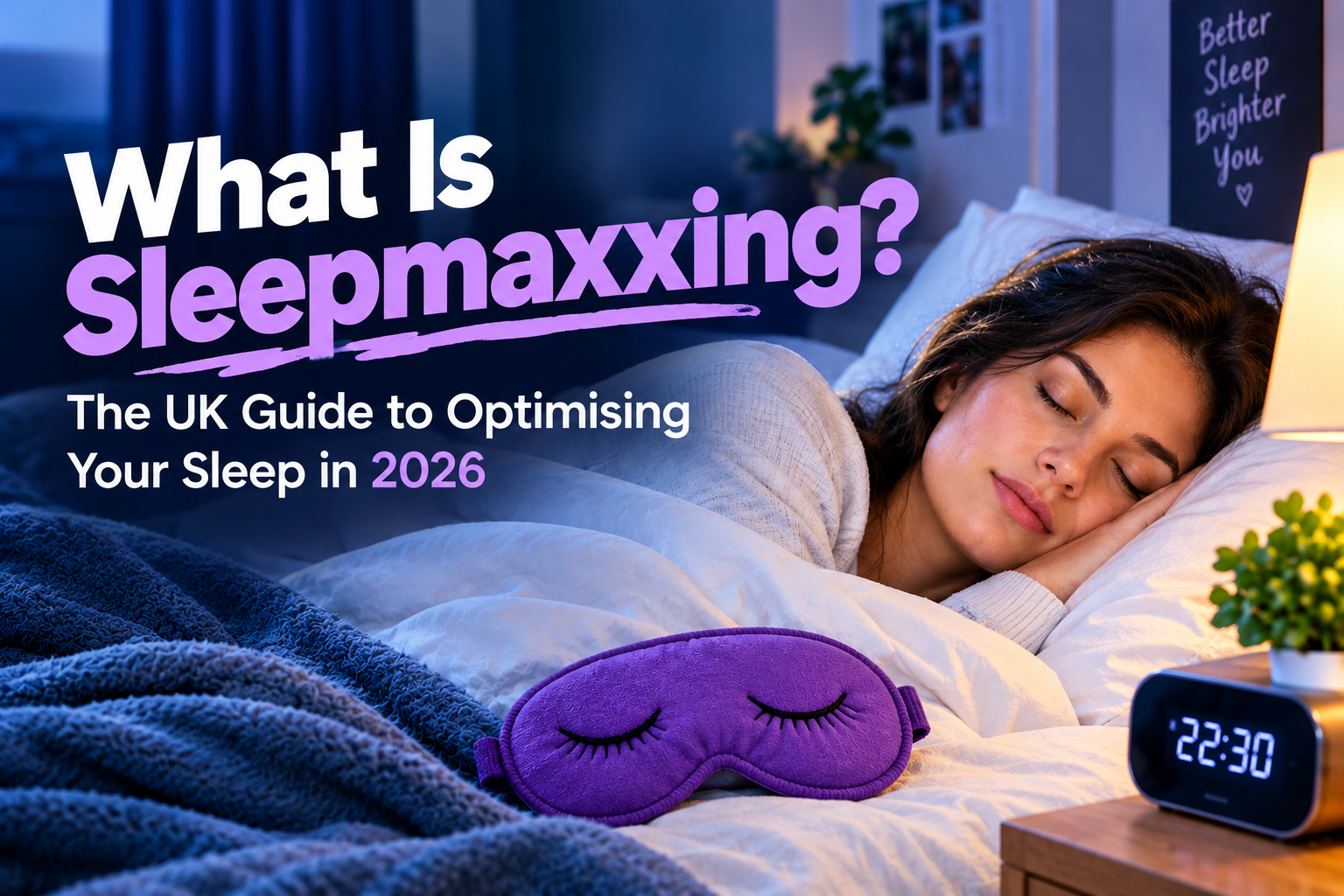
Somewhere between the fibermaxxing trend and the cortisol face conversation, sleep quietly became the most optimised activity in the wellness calendar.
Sleepmaxxing — TikTok’s term for intentionally maximising every aspect of your sleep — has accumulated millions of views across the UK and US. People are tracking sleep stages on wearables, mouth taping, taking magnesium glycinate at 9pm, black-out curtaining their entire bedroom, and eating kiwis before bed because one small study suggested it might help.
Some of this is genuinely useful. Some of it is wellness theatre. The difference matters, because sleep deprivation is a genuine public health problem in the UK, and the right interventions can meaningfully improve it while the wrong ones simply burn your time and money.
This article is for informational purposes only. If you experience persistent insomnia or suspect a sleep disorder, consult your GP.
Quick Answer
Sleepmaxxing means intentionally optimising every aspect of your sleep — from bedroom environment and evening routine to supplementation, sleep tracking, and specific behavioural techniques. The term is a TikTok rebrand of sleep hygiene, but it has helped bring genuine attention to evidence-based sleep practices. The most effective interventions are: a consistent wake time, a cool and dark bedroom, limiting alcohol and caffeine, and CBT-I (Cognitive Behavioural Therapy for Insomnia) for persistent problems. Many popular sleepmaxxing trends — mouth taping, sleep supplements beyond magnesium, expensive tracking devices — have limited evidence behind them.
What Is Sleepmaxxing?
Sleepmaxxing means deliberately optimising sleep — treating it as a performance variable to be improved rather than a passive activity that happens when you lie down. The suffix “-maxxing” follows the same social media pattern as fibermaxxing, looksmaxxing, and mouthmaxxing: take an established concept, name it aggressively, and make it shareable.
As neurologist Aatif Husain, MD told Health Central: “Sleepmaxxing is a rebrand of sleep hygiene but on steroids.” That is a fair characterisation — sleep hygiene advice has existed for decades, but sleepmaxxing has given it cultural momentum that years of NHS leaflets never quite managed.
The timing matters. UK sleep data is consistently poor. NHS surveys suggest around one in three UK adults are regularly sleep deprived. The consequences are not minor — chronic insufficient sleep is associated with increased risk of cardiovascular disease, obesity, type 2 diabetes, depression, and impaired immune function. Sleep is not a lifestyle preference. It is a health imperative.
If sleepmaxxing gets people to take it seriously, the rebrand is worth something.
What the Science Actually Says Works
A Consistent Wake Time — The Single Most Effective Intervention
This is the intervention with the strongest evidence base and the most consistently ignored by people who focus on bedtime instead. Your circadian rhythm — the internal biological clock that regulates sleep-wake cycles — is anchored most strongly to wake time, not sleep time.
Waking at the same time every day, including weekends, stabilises your circadian rhythm, improves sleep onset at night, and increases the proportion of deep, restorative sleep across your full night. The common habit of “catching up” on sleep at weekends by sleeping two hours later actively disrupts the rhythm and worsens weekday sleep quality.
Practical application: Set a wake time. Keep it seven days a week. This is not about sleeping less — it is about anchoring your biology consistently.
The Bedroom Environment
Temperature: Sleep onset is supported by a drop in core body temperature. The optimal bedroom temperature for most adults is 16–19°C (60–66°F). UK bedrooms in summer frequently sit above this — a significant contributor to warm-weather sleep problems.
Light: Complete darkness supports melatonin production. Blackout curtains or a sleep mask address this directly. Blue-spectrum light from screens suppresses melatonin — avoiding screens for 60–90 minutes before bed has a measurable effect on sleep onset speed.
Noise: Consistent low-level white or brown noise can mask disruptive sound spikes for people who sleep lightly. Earplugs are simpler and equally effective.
Caffeine and Alcohol Timing
Caffeine has a half-life of approximately five to six hours in most adults, meaning half of a 3pm coffee is still active at 9pm. Moving the last caffeine intake to before 2pm improves sleep quality for most regular coffee drinkers.
Alcohol is commonly misused as a sleep aid because it does help you fall asleep faster. What it does to sleep quality is the opposite — it reduces REM sleep, causes fragmented sleep in the second half of the night as it metabolises, and worsens overnight blood oxygen levels in people prone to sleep-disordered breathing. Alcohol before bed is a net negative for sleep quality even when it feels like it helps.
CBT-I: The Gold Standard for Persistent Insomnia
CBT-I — Cognitive Behavioural Therapy for Insomnia — is the NHS’s first-line treatment for chronic insomnia and consistently outperforms sleep medication in long-term outcomes. It works by targeting the thought patterns and behavioural habits that perpetuate insomnia rather than simply sedating the problem.
Key components include sleep restriction (temporarily limiting time in bed to consolidate sleep), stimulus control (reassociating the bed with sleep rather than wakefulness), and cognitive restructuring (addressing catastrophic thoughts about poor sleep that often worsen the problem).
CBT-I is available through the NHS, through apps including Sleepio, and through private therapists. It takes four to eight weeks to produce full benefit — slower than a sleeping pill, significantly more effective in the long run.
What Sleepmaxxing Gets Wrong
Mouth Taping
Mouth taping — sealing the lips with surgical tape during sleep to encourage nasal breathing — is one of the most viral sleepmaxxing trends. Proponents claim it improves sleep quality, reduces snoring, and prevents dry mouth.
The evidence is limited. A small study of 30 participants found some improvement in snoring. Sleep specialists consistently note that mouth taping can be dangerous for anyone with any degree of sleep apnoea — a condition affecting an estimated 1.5 million UK adults, many undiagnosed — as nasal obstruction during sleep could compromise breathing. Before mouth taping, rule out sleep apnoea with a GP assessment.
Sleep Tracking Obsession
Wearable sleep trackers — Fitbits, Apple Watches, Oura Rings — measure sleep in ways that are approximate at best. Consumer-grade accelerometers are not EEG devices; they infer sleep stages from movement rather than measuring them directly. Over-reliance on sleep tracking data, particularly when scores feel “bad,” can create anxiety about sleep quality that directly worsens sleep. This has a clinical name: orthosomnia.
Trackers are useful for identifying broad patterns — consistent insufficient sleep, very irregular schedules. They are not useful as a minute-by-minute sleep quality assessment.
Most Sleep Supplements
The supplement market around sleepmaxxing is extensive and mostly under-evidenced. Exceptions:
Magnesium glycinate — the form with the best evidence for sleep. Magnesium supports GABA pathways, the main inhibitory neurotransmitter system involved in sleep onset. Around 200–400mg taken 30–60 minutes before bed. UK brands including Bulk and MyProtein offer affordable options.
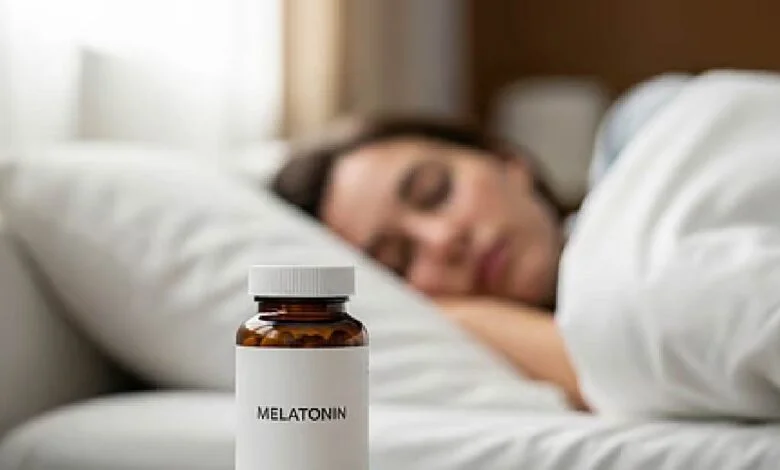
Melatonin — effective for circadian rhythm disorders and jet lag, prescription-only in the UK (see the melatonin UK article). Limited evidence for primary insomnia in healthy younger adults.
L-theanine — small studies suggest it may improve relaxation without sedation. Evidence is preliminary rather than robust.
Valerian, ashwagandha, lavender — popular, evidence is weak to modest. Not harmful at typical doses, but not robustly evidenced either.
The Sleepmaxxing Toolkit: What’s Worth It
| Intervention | Evidence Level | Cost | Worth It? |
|---|---|---|---|
| Consistent wake time | Very strong | Free | ✅ Yes |
| Cool dark bedroom (16–19°C) | Strong | Low–medium | ✅ Yes |
| No caffeine after 2pm | Strong | Free | ✅ Yes |
| Reduce alcohol before bed | Strong | Free | ✅ Yes |
| CBT-I | Very strong | Free (NHS/app) | ✅ Yes |
| Magnesium glycinate (200–400mg) | Moderate | £10–£15/month | ✅ Worth trying |
| Blue light blocking glasses | Moderate | Low | ⚠️ Useful but not essential |
| Sleep tracker (wearable) | Limited | High | ⚠️ Pattern-spotting only |
| Mouth taping | Very limited | Low | ⚠️ Rule out sleep apnoea first |
| Expensive sleep supplements | Weak | High | ❌ Skip |
| Sleeping pill (long-term) | Negative long-term | Variable | ❌ Not recommended |
UK-Specific Sleep Context
The NHS 111 sleep guidance recommends seven to nine hours for adults, with consistent wake time as the single most important factor. GP referral for CBT-I is available for chronic insomnia lasting more than three months. The Sleepio app is available free through some NHS regions.
Night shift workers, new parents, and people with very early start times face structural sleep challenges that no amount of bedroom optimisation fully resolves. In these cases, the priority is maximising sleep quality within available windows — sleep restriction-based approaches are less relevant when total sleep time is already constrained.
The Takeaway
Sleepmaxxing is sleep hygiene with better marketing, and if that marketing gets people to finally take their sleep seriously, it is doing something useful. The core interventions that consistently work — consistent wake time, cool dark bedroom, less caffeine, less alcohol, and CBT-I for persistent problems — are all either free or very cheap. The expensive, elaborate, gadget-heavy approaches sit at the opposite end of the evidence spectrum.
Sleep better. The method is less exciting than TikTok makes it look.
You might also like:
- What Is Fibermaxxing? The UK Guide to 2026’s Biggest Health Trend
- Is Melatonin Legal in the UK? What You Can Actually Buy
Frequently Asked Questions
What is sleepmaxxing? Sleepmaxxing means intentionally optimising every aspect of your sleep — bedroom environment, evening routine, supplementation, and behaviour — to maximise sleep quality. It is a TikTok rebrand of established sleep hygiene advice, but has helped bring genuine attention to evidence-based sleep practices.
Does sleepmaxxing actually work? The evidence-based elements work well: consistent wake time, a cool dark bedroom, limiting caffeine and alcohol, and CBT-I for persistent insomnia all have strong research support. Many popular sleepmaxxing trends — mouth taping, expensive supplements, obsessive sleep tracking — have limited evidence and in some cases carry risks.
What is the single best thing you can do for better sleep? Set a consistent wake time and keep it seven days a week, including weekends. This is the intervention with the strongest evidence base for improving sleep quality across multiple measures. It stabilises the circadian rhythm in a way no supplement or gadget can replicate.
Is mouth taping safe? It carries risks for people with any degree of undiagnosed sleep apnoea, which affects an estimated 1.5 million UK adults. Before trying mouth taping, speak to your GP to rule out sleep-disordered breathing.
What supplements actually help with sleep in the UK? Magnesium glycinate (200–400mg before bed) has the most consistent evidence among OTC options. Melatonin is prescription-only in the UK. L-theanine has preliminary evidence. Valerian and ashwagandha are popular but not robustly evidenced. Expensive “sleep blend” supplements are rarely worth the cost.