

How to Clean a Resin Driveway: UK Guide That Works
Learn how to clean a resin driveway without damaging it: sweeping, safe jet washing, moss and oil stain removal,
How to Clean a Resin Driveway Without Damaging It
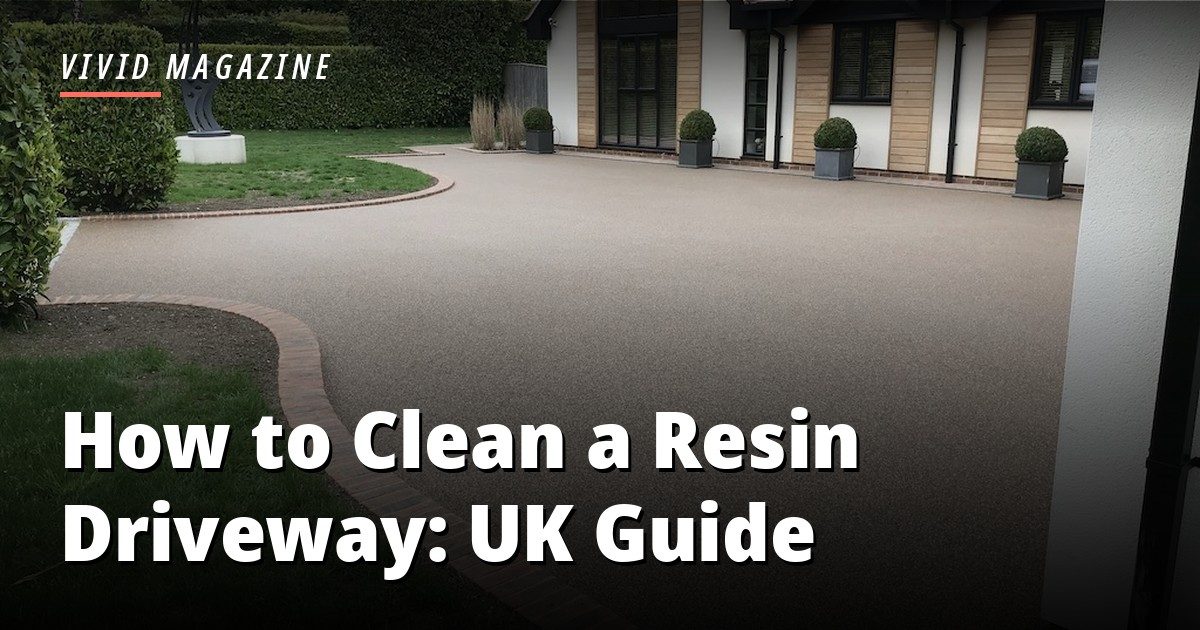
A resin driveway is sold as low maintenance, and compared with block paving it genuinely is. There are no joints to weed and dirt mostly sits on the surface. But “low maintenance” is not “no maintenance”. Leave it alone for a couple of damp British winters and you’ll get a green film of algae in the shaded corners, moss creeping in from the edges, and a dull finish that makes the whole front of the house look tired.
Most of the job is just sweeping. The catch is that the tool people reach for first — the pressure washer — is also the one most likely to damage the surface if used carelessly. Get the pressure, nozzle, and distance wrong and you can loosen stones from the resin.
Resin-Bound vs Resin-Bonded
On a resin-bound driveway, aggregate stones are mixed through the resin before laying, giving a smooth, permeable surface that lets rainwater drain through. On a resin-bonded driveway, loose aggregate is scattered over a layer of resin, giving a rougher, non-permeable finish. Cleaning advice is largely the same for both, but be extra careful with a bonded surface under a pressure washer, since less resin holds each stone in place.
What You’ll Need
- A stiff-bristled broom or brush (not a wire brush)
- A garden hose, and optionally a pressure washer with a fan lance
- A bucket, warm water, and a mild, pH-neutral detergent
- A proprietary moss and algae remover, or diluted household bleach, for green growth
- A resin-safe degreaser for oil marks
- Gloves and eye protection when using any chemical cleaner
The Regular Routine: Sweeping and Rinsing
Installer guides recommend sweeping at least once a month, and several suggest once a week in autumn when leaves are falling. Don’t let leaves and debris sit and rot: rotting leaf litter stains the resin, encourages moss, and on a permeable resin-bound drive it can clog the pores that let water drain away. Sweep debris off the drive rather than into corners, then rinse with a garden hose every month or so.
Step-by-Step: The Deeper Clean
Step 1: Clear the surface
Move cars, bins, and plant pots off the drive. Sweep thoroughly, including the edges where moss starts, and pull weeds out by hand rather than digging at them with a tool — gouging underneath a weed can lift stones out of the resin.
Step 2: Pre-treat stains and green growth
Deal with moss, algae, and oil marks before washing the whole surface (see below). Products work better on a dry surface given time to act, and pre-treating means you won’t need to blast the whole drive to shift one stubborn patch.
Step 3: Wash with cold water
For a general wash, a garden hose is plenty. If you use a pressure washer, keep it gentle: the figure quoted by several installer guides is a maximum of 150 bar, using a fan-type lance held at least 200mm from the surface, and cold or only moderately warm water — never hot. Keep the lance moving and never hold a narrow jet close to one spot.
Guides disagree on how often to pressure wash at all: one installer aftercare page suggests a full pressure wash only every two to four years, while others say “periodically as needed”. The sensible reading is that a hose rinse is a monthly job, while the pressure washer is for when the drive is genuinely grubby or green — not a weekly habit.
Step 4: Rinse and inspect
Rinse off all cleaner residue with clean water, working from the top of the drive downwards. Residue left on resin can discolour it. Once dry, check for loose stones, cracks, or patches where the surface has lifted. A little loose aggregate at the edges is normal wear, but spreading looseness or puddles that used to drain away are worth raising with your installer.
Removing Moss and Algae
Moss and algae love UK resin drives: damp, shade, and a slightly rough surface give them everything they need, and autumn is peak season. Treat green growth with a proprietary moss and algae remover made for paved surfaces, or with a diluted bleach solution, following the product label exactly. Leave it to work for the stated time, scrub gently, then rinse well. Favour acid-free, pH-neutral cleaners where you can. And don’t expect one treatment to last forever: on a shaded drive, a preventative treatment once or twice a year is more realistic than a single heroic scrub.
Removing Oil and Grease Stains
Speed matters more than strength with oil. Blot a fresh spill with paper towels or an absorbent cloth — don’t wipe it, which just spreads it — then wash with warm (not hot) water and a mild household detergent, leaving it to penetrate for around ten minutes before rinsing. For a stubborn mark, use a resin-safe degreaser, scrub gently, and rinse thoroughly. Pressure washing alone will not shift an oil stain.
Conflicting online advice gets risky here: one source suggests acetone or rubbing alcohol for quick clean-ups, but immediately warns these can damage the resin and should be patch-tested first. Our advice is simpler — don’t use solvents on resin at all unless your installer specifically approves them. Solvents, brake fluid, clutch fluid, and fuel can all soften or damage the resin binder, so flush any such spill with water and mild detergent straight away.
Methods at a Glance
| Job | Method | How often |
|---|---|---|
| General upkeep | Stiff broom sweep, then hose rinse | Monthly; weekly in autumn |
| Deeper clean | Cold-water wash; pressure washer max 150 bar, fan lance, 200mm+ distance | When grubby or green, not weekly |
| Moss and algae | Moss/algae remover or diluted bleach, scrub gently, rinse well | As needed; preventative treatment 1–2 times a year |
| Oil and grease | Blot, then warm water + mild detergent or resin-safe degreaser | Immediately after a spill |
| Everyday marks | Warm soapy water and a soft-bristle brush | As they appear |
What to Avoid on a Resin Driveway
- High pressure and narrow jets. Above 150 bar, or a pencil jet held close to the surface, can dislodge aggregate and damage the bond.
- Hot water. Stick to cold or tepid water; heat can damage the resin.
- Solvents and harsh chemicals. Acetone, strong acids, and undiluted bleach are all risks — use mild, pH-neutral, resin-safe products and follow the label.
- Sharp tools. Don’t chip ice, gum, or weeds off with a blade or metal scraper; you’ll take stones with it.
- Dragging heavy objects. Skips, heavy machinery, and dragged furniture can gouge or crack the surface.
- De-icing salt. Some installers warn that salt can prematurely age resin, so clear snow with a plastic shovel and check your installer’s advice before gritting.
- Neglect. The biggest cause of a dull, green drive is simply leaving leaves and debris to rot on it all winter.
The same gentle approach applies indoors: if you’re tackling how to clean grout without damaging it, or how to clean mould off walls safely, the principle is identical — start mild, test first, and only escalate if the gentle method fails.
The same gentle-first approach works elsewhere in the house — see how to clean limescale from a toilet and how to fix a running toilet.
Seasonal Care
Spring: a full wash after winter, plus a moss and algae treatment before growth takes off. Summer: sweep regularly and watch for oil drips in hot weather. Autumn: sweep leaves weekly — the highest-value job of the year. Winter: clear snow with a plastic shovel and check your installer’s guidance before using de-icing products.
When to Call a Professional
Most resin-drive cleaning is a DIY job, but call your installer or a specialist cleaner if stones are coming loose across a wide area, the surface is cracking or lifting, water has stopped draining through a resin-bound drive, or a stain has survived detergent, degreaser, and a gentle wash.
Frequently Asked Questions
Can you jet wash a resin driveway?
Yes, but gently. Use cold water, a maximum of 150 bar, a fan lance held at least 200mm from the surface, and keep the lance moving. Never use a narrow jet close to the surface, and never use hot water.
How often should you clean a resin driveway?
Sweep at least monthly (weekly in autumn when leaves fall) and rinse with a hose every month or so. A deeper pressure wash is only needed when the drive is visibly grubby or green.
What is the best cleaner for a resin driveway?
For general cleaning, warm water and a mild, pH-neutral detergent. For moss and algae, a proprietary moss and algae remover or diluted bleach, used exactly as the label directs. For oil, a resin-safe degreaser. Avoid solvents, strong acids, and abrasive scrubbers.
Can oil stains be removed from resin?
Fresh oil usually comes out with blotting followed by warm soapy water or a degreaser. Older, soaked-in stains are harder, and some may only fade rather than vanish completely.
Related guide: how to clean a composite door.
Last updated: 3 November 2026
Related guide: how to clean a marble fireplace surround.