

How to Clean Limescale from a Toilet (UK Guide)
Crusty brown rings in the bowl? This UK guide shows how to remove limescale from a toilet — above
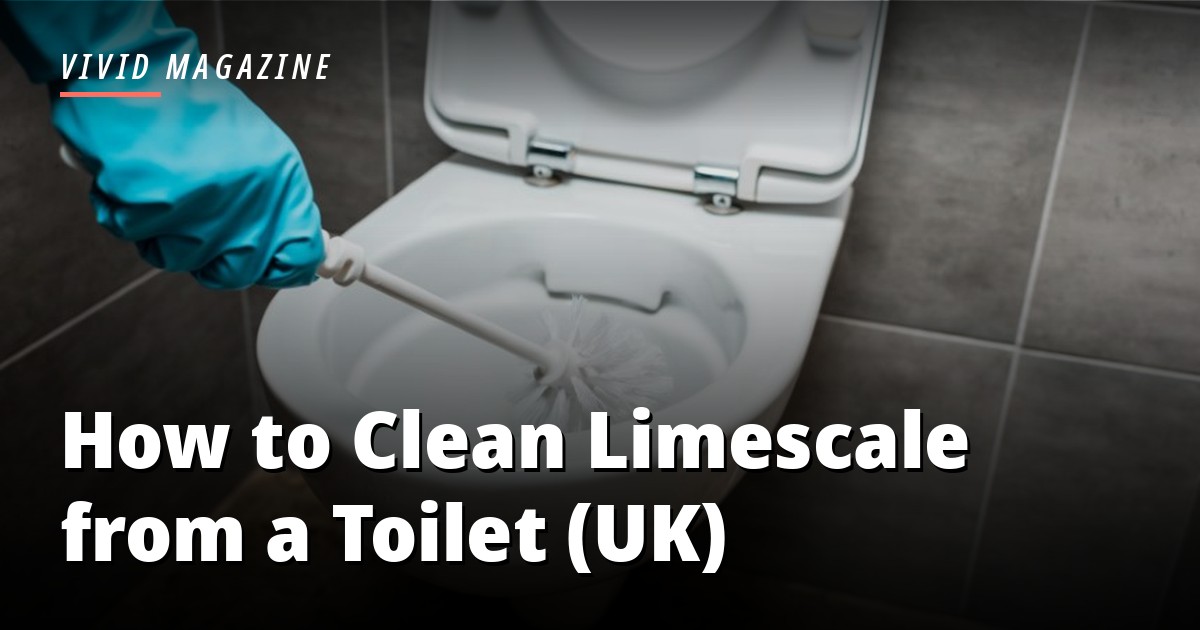
If your toilet bowl has brownish rings, crusty white deposits around the waterline or a rough, stained patch under the rim, you are almost certainly looking at limescale — and you are far from alone. More than 60% of the UK is classed as a hard-water area, according to water-treatment firm Kinetico.
The good news is that limescale looks far more stubborn than it is. It dissolves in acid, and the right acid, applied the right way, will shift even scale that has been building up for months. The trick is matching the method to the severity of the stain, and knowing what not to do along the way.
Key facts at a glance
| Question | Answer |
|---|---|
| What is toilet limescale? | Hard, chalky deposits of calcium carbonate left behind when hard water evaporates or sits |
| Why does it stain brown? | The rough mineral surface traps dirt and rust particles, which discolour it over time |
| Best first method | White vinegar soak — cheap, effective on light to moderate scale |
| Hardest area to clean | Below the waterline, where the water dilutes anything you pour in |
| What does not work | Bleach — it brightens the stain but does not dissolve the scale |
| How to stop it coming back | Regular descaling, and a water softener if your area has very hard water |
What limescale actually is
Limescale is calcium carbonate, a mineral naturally present in hard water. When hard water sits in the bowl, evaporates around the rim or dries on the porcelain, it leaves the mineral behind. One deposit is invisible; hundreds of deposits build into the white crust and brown rings that make a clean toilet look dirty no matter how often you scrub it.
Its rough surface traps grime, and thick build-up under the rim can restrict the flush and stain the porcelain permanently if left for years.
Before you start
For most of this guide you need very little: white vinegar, bicarbonate of soda, an old toothbrush or stiff toilet brush, rubber gloves and a cloth. For tougher scale you may also want a commercial descaler (of the Viakal type, sold in most supermarkets) and, only as a last resort, a pumice stone.
A few safety basics apply throughout. Wear gloves, ventilate the bathroom, and never mix cleaning chemicals — in particular, never mix bleach with vinegar, descaler or any other acid, as the combination can release harmful gases.
Method 1: White vinegar soak (light to moderate scale)
For rings at the waterline and light crusting, plain white vinegar is usually enough. Pour undiluted white vinegar around the inside of the bowl, making sure it coats the stained areas, and leave it to soak. An hour is often enough for light stains; for heavier rings, leave it overnight.
After soaking, scrub with a toilet brush or an old toothbrush for the tight spots under the rim, then flush. If the stain has faded but not gone, repeat the soak rather than reaching for something stronger — two vinegar soaks will shift most moderate build-up.
Method 2: Vinegar and bicarbonate of soda (moderate scale)
For thicker deposits, add bicarbonate of soda. Sprinkle a generous amount onto the stained areas, then pour white vinegar over it. The mixture will fizz as the acid reacts with the alkaline powder, which helps lift loosened scale from the porcelain.
Leave the paste on the stain for at least an hour, ideally longer, then scrub and flush. This method is particularly useful on the sloped sides of the bowl, where liquid vinegar alone runs straight off — a paste stays where you put it.
Method 3: Commercial descaler (heavy scale)
If vinegar has barely touched the stain, step up to a commercial limescale remover. These are stronger acids formulated specifically for the job, and they are the right tool for thick, long-established scale. Apply the gel or liquid directly to the stain, following the instructions on the bottle, and leave it for the recommended time — usually between 30 minutes and a few hours.
Descalers demand more care: gloves are essential, ventilation matters, and you must never mix a descaler with bleach or any other cleaner. Rinse thoroughly by flushing several times once you have finished scrubbing.
How to remove limescale below the waterline
Anything you pour into the bowl gets diluted by the water sitting in it, so a normal vinegar soak barely touches scale below the waterline.
The fix is simple: lower the water level first. Turn off the water supply to the toilet (the isolation valve is usually on the pipe beside or behind the cistern), flush, and hold the flush down to empty as much water as possible. Then push the remaining water out with a plunger, or bail it out with an old jug and a sponge.
With the water level dropped, press vinegar-soaked cloths or paper towels directly onto the scale below the waterline and leave them for several hours or overnight. The cloth holds the acid against the stain instead of letting it wash away. For very stubborn patches, use a descaler gel the same way. When you are done, turn the water back on, let the cistern refill and flush a few times.
Stubborn scale: pumice stone (last resort only)
For scale that has survived vinegar and descaler, a wet pumice stone will physically remove it. Keep both the stone and the porcelain wet at all times, use light pressure, and work on a small area first to check you are not marking the surface.
This is a last resort for a reason. Pumice is abrasive, and aggressive scrubbing can scratch porcelain — and scratched porcelain collects limescale faster than smooth porcelain, leaving you worse off in the long run. If pumice feels necessary, the toilet has gone a long time without descaling, and regular maintenance afterwards matters even more.
What NOT to do
Do not rely on bleach. Bleach whitens, so it can make a brown stain look fainter, but it does not dissolve calcium carbonate. The scale stays, and the stain comes back quickly.
Do not mix chemicals. Vinegar plus bleach, descaler plus bleach, or any cocktail of bathroom cleaners can produce toxic fumes. Use one product at a time and rinse between products.
Do not use cola as a shortcut. Cola contains a small amount of phosphoric acid and is often recommended online, but it is far weaker than vinegar, leaves a sugary residue and costs more.
Do not ignore the cistern. Limescale builds up in the cistern too, and flakes from it can re-deposit in the bowl.
How to prevent limescale in a toilet
Removing limescale is satisfying; not having to do it every month is better:
- Descale little and often. A quick vinegar soak once a month stops deposits building into the thick crust that needs a descaler.
- Clean under the rim weekly. Scale starts where water sits and dries, and the rim is the worst spot. A brush under the rim during your normal clean catches it early — and the same regular-routine approach works elsewhere in the bathroom, from how to clean grout to tackling mould on bathroom walls.
- Consider a water softener. In very hard-water areas, a softener is the only fix that addresses the cause rather than the symptom.
- Keep the rest of the house descaled too. The same hard water affecting your toilet is affecting your appliances — our guide to how to clean a dishwasher covers the vinegar method for limescale inside the machine.
Frequently asked questions
Does white vinegar really remove limescale from a toilet?
Yes. Limescale is calcium carbonate, which dissolves in acid, and white vinegar is acidic enough to dissolve light to moderate deposits given enough contact time. Thick, old scale may need a commercial descaler or repeated soaks.
How do I remove limescale from a toilet below the waterline?
Lower the water level first by turning off the supply, flushing and bailing out the remaining water, then apply vinegar-soaked cloths or a descaler gel directly to the exposed stain and leave it for several hours before scrubbing and flushing.
Can bleach remove limescale?
No. Bleach disinfects and whitens, which can make a stain look lighter, but it does not dissolve limescale. It also must never be mixed with vinegar or descaler.
How long should I leave vinegar in the toilet?
At least an hour for light stains, and overnight for heavier rings. If the stain has faded but not cleared, repeat the soak rather than switching immediately to a harsher product.
Will a pumice stone scratch my toilet?
It can, if used dry or with heavy pressure. Keep the stone and the porcelain wet, use light strokes and test a small area first. Treat pumice as a last resort, not a routine tool. And if you are working through the whole house, the same little-and-often principle applies — see our guide to how to clean blinds for another job that is far easier when done regularly.
Last updated 30 October 2026