


How to Clean Slate: UK Guide That Works
Learn how to clean slate floors, patios and hearths safely — the right cleaners, what to avoid, and how
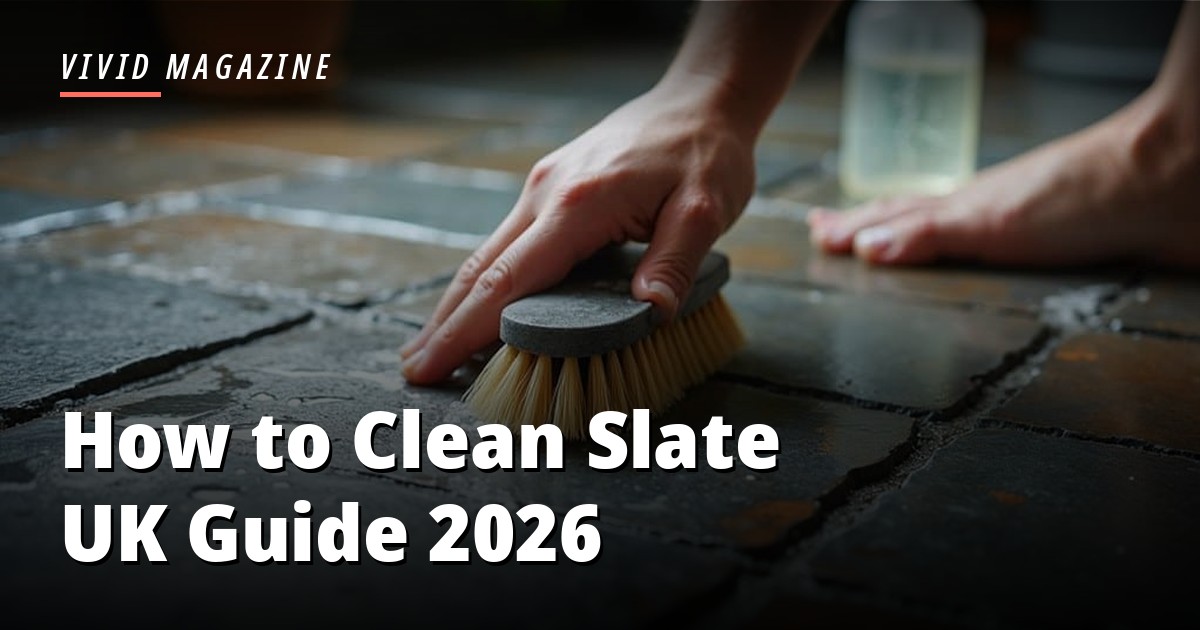
Slate looks after itself better than most natural stone, but only if you clean it the right way. The wrong product can strip the seal or dull the finish. The golden rule is simple: slate is stone, not ceramic. It is porous, its layered structure can flake, and it reacts badly to acids.
First, work out what kind of slate you have
- Natural riven slate. Textured and uneven, common on floors and patios. It hides dirt well but traps it in the texture, so it needs a brush as well as a mop.
- Natural honed slate. Smooth and matt. Easier to mop, but marks show more readily, so soft tools matter.
- Slate-effect porcelain. Ceramic printed to look like slate. Not porous, needs no sealing and tolerates stronger cleaners. Check the edges if unsure: porcelain has a uniform body, while natural slate shows layers and variation.
If your tiles are porcelain, most warnings below do not apply. The rest of this guide is for natural slate, where mistakes happen.
What you will need
A soft-bristle broom, a microfibre mop (sponge mops push dirty water into grout lines), a soft brush for textured surfaces, two buckets, and a pH-neutral stone floor cleaner — or a few drops of mild washing-up liquid in warm water. For outdoor slate, add a stiff brush and a cleaner labelled safe for natural stone.
Routine cleaning: slate floors indoors
- Sweep or vacuum first. Grit scratches honed surfaces and wears the high points of riven ones, so use a soft brush head and avoid knocking tiles with hard attachments.
- Damp-mop with warm water and pH-neutral cleaner. Dilute exactly as the label says — extra product leaves residue, not extra cleanliness. Wring the mop well; slate should be damp-mopped, never flooded.
- Work in sections, rinsing often. Dirty water mopped back over the floor redistributes grime into grout lines, so change the rinse water when it clouds.
- Rinse with clean water. Even pH-neutral cleaners leave a dulling film if left to dry on the surface.
- Let it air-dry. For a sheen, wait until fully dry, then buff lightly with a clean, dry cloth.
Sweep busy floors every couple of days and mop weekly. Do not neglect grout, which traps dirt faster than tiles. Our guide to cleaning grout covers five methods that work on stone floors without damaging the surrounding tiles.
Deep cleaning stained or dull slate
When routine mopping stops working — usually after a few years, or on a floor never sealed — work in small sections so nothing dries mid-job. Sweep and vacuum thoroughly first, then apply a diluted alkaline stone cleaner such as LTP Grimex or Tile Doctor Pro-Clean, made to lift ground-in grime without attacking stone. Leave it to dwell for 5–10 minutes, agitate with a soft brush (riven) or white pad (honed), adding a little clean water as you scrub. Remove the dirty solution with a wet vacuum or sponge, rinse repeatedly until no residue remains, and let the floor dry overnight before sealing — sealer on a damp floor can turn cloudy and fail early.
For single stains, identify the stain first. Grease and food marks usually yield to an alkaline stone cleaner and patience. Rust marks need a specialist rust remover made for natural stone. If a stain resists two careful attempts, call a stone-care professional instead of reaching for harsher chemicals.
Cleaning a slate patio or path outdoors
Outdoor slate faces algae, moss, leaf tannin and winter weather as well as everyday dirt, so the tools are heavier. Clear debris and sweep first — leaves left to rot stain the stone. Brush with warm water and a stone-safe cleaner, using a stiff brush on riven slabs and working in sections. Many general patio cleaners are acidic, so pick one labelled safe for natural stone. For algae and moss, use a biocidal patio cleaner made for natural stone, leave it for the label time, then brush and rinse. Avoid bleach: it damages sealers, discolours grout and harms nearby plants. Rinse thoroughly.
Pressure washers need care: a low setting can help on a sturdy, sealed patio, but high pressure erodes the surface, opens layers and forces water into the stone. On unsealed, weathered or flaking slabs, skip the washer and stick to a brush. Different outdoor surfaces need different products — if your drive is another material, our guide to cleaning a resin driveway covers that surface, and cleaning monocouche render explains why rendered walls need a gentler touch than stone.
Slate hearths and fireplace surrounds
Let the fire go completely cold, brush off loose ash with a soft brush, then wipe with a cloth dampened in warm water and a little pH-neutral cleaner, working from the outer edge inwards so soot does not spread across clean stone. For stubborn soot, a paste of bicarbonate of soda and water, applied gently and rinsed well, is safe — it is mildly abrasive, so go easy on honed slate. Never use an acidic soot remover meant for brick. The same caution applies to other stone hearths: our guide to cleaning a marble fireplace surround explains why acid is the enemy of stone hearths in general.
What NOT to use on natural slate
- Vinegar, lemon juice and limescale removers. Acids etch natural stone and break down sealers — the one rule almost every stone-care manufacturer agrees on.
- Bleach. Discolours grout, damages sealers and leaves residue that attracts dirt.
- Steam mops. Heat and moisture damage sealants and drive water into unsealed stone. Fine on porcelain, not on natural slate.
- Abrasive scourers and wire brushes. They scratch honed slate and wear riven high points. Soft brushes only.
- Oil-based polishes and wax. They build into a sticky film on sealed slate and a cloudy layer on porcelain. Use a stone sealer or colour enhancer instead.
On the vinegar debate: some blogs claim diluted vinegar is harmless on sealed slate, but specialists disagree, and the risk is real where the seal has worn. With pH-neutral cleaners cheap and effective, there is no reason to gamble.
Method comparison at a glance
| Job | Cleaner to use | Tools | How often |
|---|---|---|---|
| Routine indoor mop | pH-neutral stone cleaner or mild washing-up liquid | Microfibre mop, two buckets | Weekly in busy rooms |
| Deep clean, stained floors | Alkaline stone cleaner (e.g. LTP Grimex, Tile Doctor Pro-Clean) | Soft brush or white pad, wet vacuum | When mopping stops working |
| Outdoor patio | Stone-safe patio cleaner | Stiff brush, hose for rinsing | Spring and autumn, plus as needed |
| Hearth soot | pH-neutral cleaner; bicarbonate paste for stubborn marks | Soft brush, cloth | After heavy fire use |
| Sealing / resealing | Impregnating stone sealer | Cloth or paint pad applicator | When the water test fails (see below) |
Sealing and resealing: the step most people skip
Natural slate is porous, so a sealer stands between your stone and every spill. Most slate is sealed when installed, but sealers wear with traffic and cleaning. Stone-care sources suggest resealing every 12–18 months in busy areas, while manufacturers note a good impregnating sealer can last two to three years depending on use. Rather than guess, test it: sprinkle water on the slate. If it beads, the seal works; if it soaks in and darkens the stone within minutes, reseal. Deep-clean first, dry completely, then apply an impregnating sealer with a cloth or paint pad per the manufacturer’s instructions — two thin coats beat one thick one. Sealers come in natural (invisible, matt) and colour-enhancing (deepens tones, slightly wet look) finishes; both protect equally.
Slate and limestone are both natural stone but do not behave identically — limestone is softer and more acid-sensitive still. If you have both at home, our guide to cleaning limestone safely is worth a read before using the same bottle on both.
Frequently asked questions
Can you use vinegar to clean slate?
No — not natural slate. Vinegar is acidic and can etch stone and break down sealer. Porcelain tolerates it, but if unsure, skip it.
Can you pressure wash slate?
Low pressure can help on a sturdy, sealed patio, but high pressure erodes the surface and forces water into the stone. On unsealed, weathered or flaking slabs, use a stiff brush instead.
How often should you seal slate?
As a guide, busy floors need resealing every one to three years. Use the water test: if water soaks in and darkens the stone, the seal has worn.
Why does my slate floor look dull after mopping?
Usually cleaner residue — too much product, or no rinse pass. Mop with correctly diluted cleaner, finish with plain water, and let the floor dry fully.
Can you use a steam mop on slate tiles?
Not on natural slate: heat and moisture damage sealants and drive water into unsealed stone. Steam mops are fine on slate-effect porcelain, which has no sealer to damage.
Is slate hard to maintain?
No — it is one of the lower-maintenance natural stones. Regular sweeping, a weekly damp mop, and resealing when the water test fails is all most slate needs.
Related guide: how to clean quartz worktops.
Last updated: 5 November 2026